The hardest part of freelancing isn’t the actual skill — it’s getting that first client to trust you enough to pay you. I remember how frustrating it felt watching experienced freelancers land gigs easily while I struggled to get even a reply. Learning how to find freelance clients as a genuine beginner requires a slightly different approach than what experienced freelancers recommend.
Here’s what actually works when you’re starting from zero.
Start With People Who Already Know You
Quick answer: The fastest way to learn how to find freelance clients as a beginner is starting with your existing network — friends, former colleagues, family connections — since trust is already partially established, making the first sale far easier than cold outreach.
Post on your personal social media that you’re offering a specific service. You’d be surprised how often someone in your existing circle needs exactly what you offer, or knows someone who does.
Offer a Genuinely Useful Free or Discounted First Project
Doing one small project at a reduced rate, or even free in exchange for a testimonial, builds the portfolio and social proof you need to charge properly for the next client.
- Choose a project that showcases your best skill clearly
- Ask explicitly for a written testimonial or review afterward
- Request permission to use the work in your portfolio
Use Freelance Platforms Strategically, Not Randomly
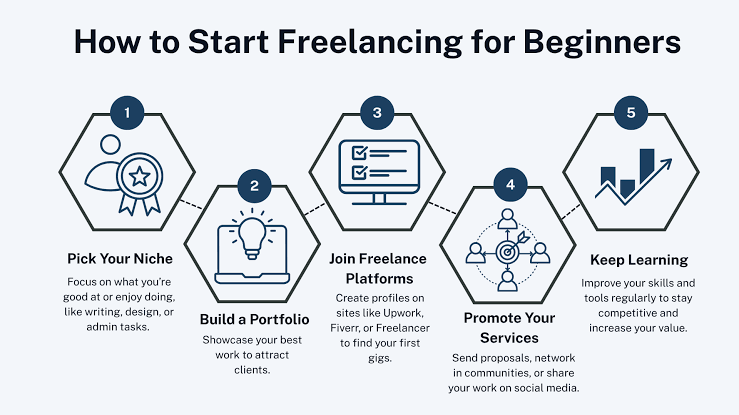
Platforms like Upwork and Fiverr work, but only if you position yourself for a specific niche rather than competing broadly against thousands of generalists.
Quick answer: Success on freelance platforms comes largely from niching down — specializing in a specific industry or type of project — rather than trying to appeal to every possible client with generic service descriptions.
Cold Outreach Done Right
Generic “hi, I’m a freelancer, need any work?” messages rarely convert. Personalized outreach mentioning something specific about the potential client’s business performs dramatically better.
A freelance writer I mentored started getting replies only after she began mentioning a specific gap she noticed in each prospect’s existing content, instead of a generic pitch copied across dozens of messages.
Build a Simple Portfolio Before You Have Client Work
If you have zero paid projects yet, create sample work specifically for your target niche. A designer without client work can design a mock rebrand for a real company just to demonstrate skill.
Join Niche Communities Where Your Clients Already Are
Facebook groups, LinkedIn communities, and industry-specific forums often have people actively looking for freelance help. Genuinely participating and helping first, before pitching services, builds credibility naturally.
[link to related guide about best freelancing websites here]
Ask Every Client for Referrals, Even Small Ones
Quick answer: After completing any project, directly asking satisfied clients if they know anyone else who might need similar help generates warmer leads than almost any cold outreach method, since referrals come pre-loaded with trust.
Keep Your Online Presence Client-Ready
A basic LinkedIn profile, a simple portfolio website, or even a well-organized Instagram page showcasing your work matters more than people realize. Potential clients often check before responding to any pitch.
FAQ
How long does it typically take to land the first freelance client? It varies, but with consistent outreach and existing network activation, most beginners land their first paid project within 2-4 weeks.
Should I lower my rates significantly to get my first clients? A slight discount or one free project for a testimonial makes sense initially, but avoid permanently undervaluing your work beyond the first project or two.
Are freelance platforms worth it for beginners? Yes, if you niche down clearly rather than competing generically. Broad, unspecific profiles rarely stand out among thousands of similar listings.
How important is a portfolio if I have no client work yet? Very important — create sample or mock projects specifically targeting your niche to demonstrate skill even without paid client history yet.
What’s the biggest mistake beginners make finding freelance clients? Sending generic, copy-pasted pitches instead of personalized outreach that shows genuine understanding of the specific client’s needs.
Conclusion
Learning how to find freelance clients as a beginner comes down to leveraging your existing network first, niching down on platforms, and personalizing every outreach message genuinely. Reach out to five people in your existing network this week offering your specific service — that first client is closer than it feels.