Water quality has a way of becoming important at the most ordinary moments. You notice brownish marks around the bathroom sink, a strange tint in a glass of water, or an unpleasant smell that wasn’t there before. Perhaps your drinking water tastes fine, but you’re still wondering whether it contains substances that shouldn’t be there. These small concerns can raise bigger questions about what your home really needs.
Fortunately, improving water quality doesn’t always mean installing an expensive collection of equipment. The smarter approach is to identify the problem, understand the available treatment methods, and choose a system that fits your water supply and household habits. Once you know what each technology does, the options become much easier to compare.
Begin With a Clear Picture of Your Water
Before purchasing any equipment, find out what’s actually present in your water. Municipal supplies are generally treated and monitored, but water can still pick up substances as it travels through distribution systems and household plumbing. Private wells require particular attention because their quality can vary with local geology, rainfall, nearby land use, and seasonal changes.
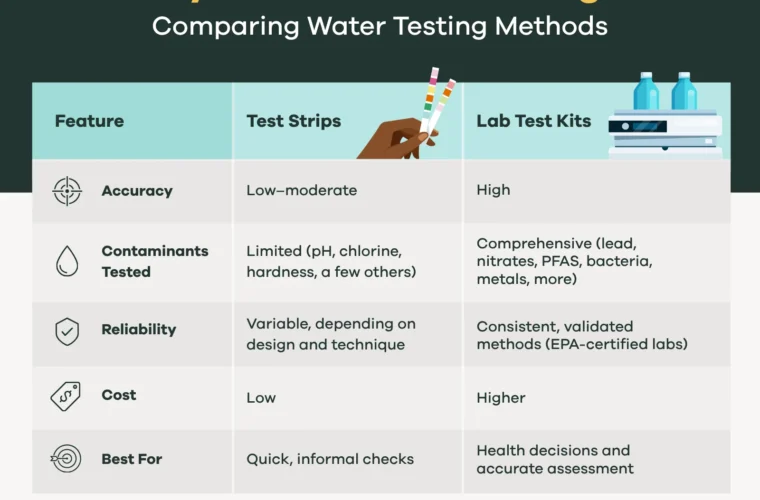
A water test provides a useful starting point. Depending on the source and your concerns, testing may include hardness, pH, iron, manganese, tannins, and other dissolved substances. If you’re using a private well, consider testing for relevant microbiological contaminants as well as chemical concerns. A certified laboratory can help determine which tests are appropriate.
Appearance alone doesn’t tell the whole story. Clear water isn’t necessarily free of contaminants, and discolored water doesn’t automatically indicate a serious health risk. Testing helps separate cosmetic issues from problems that deserve immediate attention.
It’s also worth keeping a record of the results. When you compare products or speak with a water treatment professional, actual measurements are far more useful than descriptions such as “hard water” or “water that tastes a little off.”
Choosing Equipment for Hard Water Problems
Hard water contains elevated levels of calcium and magnesium. These minerals can leave chalky deposits on faucets, shower screens, and cookware. They may also reduce soap performance and contribute to scale inside water heaters and other appliances.
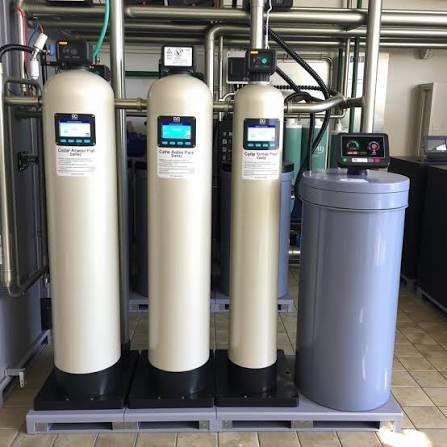
A water softener is often considered when hardness is the main concern. Traditional ion-exchange softeners replace calcium and magnesium ions with other ions, commonly sodium. The result can be less mineral scale and easier cleaning, although the system must be sized and maintained correctly.
The Hellenbrand E-6 is a product name homeowners may encounter while exploring water treatment options. Before choosing it, request current manufacturer specifications and confirm its intended application, capacity, operating requirements, and compatibility with your water test results. Don’t assume a particular model is suitable simply because it appears in a supplier’s catalog.
Household demand matters, too. A home with several bathrooms and frequent laundry use may require a different capacity from a small household with modest water consumption. The right recommendation should account for peak demand, hardness levels, plumbing arrangements, and ongoing maintenance.
Ask about salt consumption, regeneration requirements, and service access before making a purchase. A system may look affordable upfront, but operating costs can add up over the years. Understanding those costs early makes it easier to compare options fairly.
When Water Has a Yellow or Tea-Like Appearance
Some water supplies develop a yellowish, amber, or tea-like tint. One possible cause is tannins, naturally occurring organic compounds that can enter water from decaying vegetation and other environmental sources. Tannins can affect color and appearance, sometimes making water seem less appealing even when the cause isn’t obvious.
However, color can have several explanations. Iron, manganese, sediment, and plumbing corrosion may also contribute to discoloration. That’s why testing should come before selecting a treatment system. The treatment that works for tannins may not adequately address iron or another unrelated issue.
A Puritan CL9TAN-PW Tannin Filter may be worth investigating when tannins have been identified as a concern. Before installation, confirm the model’s current specifications, rated treatment capacity, flow requirements, and suitability for the concentration of tannins in your water. Ask the supplier whether pretreatment is necessary and how the filter performs when other substances are present.
Tannin treatment can involve specialized filtration media or other methods selected for the water’s chemistry. The details matter because competing substances can affect performance. A qualified water treatment professional should explain what the proposed system is expected to reduce and what it will not remove.
After installation, follow the recommended service schedule and retest the water when appropriate. A visible improvement is encouraging, but testing is the more reliable way to confirm that the treatment is working as intended.
Understanding Ultraviolet Water Disinfection
Filtration and disinfection solve different problems. A filter may reduce sediment, improve taste, or remove certain dissolved substances, depending on its design. Ultraviolet disinfection, by contrast, uses UV light to inactivate susceptible microorganisms as water passes through a treatment chamber.
For households relying on private wells, UV treatment may be useful when microbial contamination is a concern. Its effectiveness depends on correct system sizing, sufficient UV dose, clear water, proper installation, and regular maintenance. Suspended particles can shield microorganisms from the light, so pretreatment may be necessary.
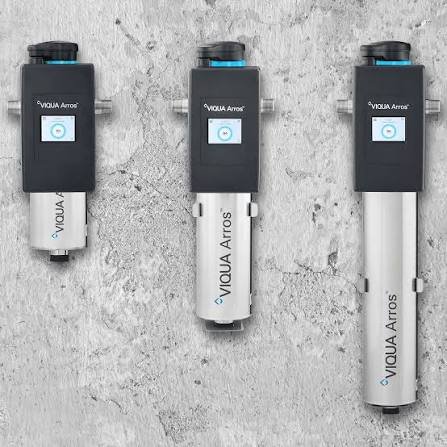
The Viqua Arros UV System 9 GPM is an option to investigate when evaluating UV equipment for a suitable application. The stated flow rate is an important specification, but it should not be the only consideration. Confirm the current manufacturer’s rated flow, disinfection performance, installation requirements, and service recommendations before purchasing.
Remember that UV treatment does not remove dissolved chemicals, hardness minerals, or sediment. It also does not leave a lasting disinfectant residual in the plumbing. If your water contains several different types of contaminants, UV may need to be combined with other treatment stages.
For drinking-water applications, ask whether the equipment has appropriate independent certification for its intended use. The installer should also explain lamp replacement, cleaning, alarm functions, and what to do if the unit loses power or signals a fault.
Why System Design Matters as Much as the Product
It can be tempting to shop by brand or price, especially when product descriptions promise cleaner, fresher water. Yet two homes with similar symptoms may need entirely different treatment arrangements.
A household with hard water and a tannin issue, for example, may need both softening and specialized filtration. Another property may need sediment reduction followed by UV disinfection. Treatment stages should be selected in a sensible order based on test results and the requirements of each device.
Flow rate is another practical consideration. A system that works well at a low flow may struggle when several taps operate simultaneously. Pressure loss, pipe size, available installation space, drainage, and electrical access should all be checked before work begins.
Request a written proposal that explains why each component is being recommended. It should identify the problem being addressed, expected performance, installation charges, replacement parts, and ongoing maintenance. Clear explanations make it easier to recognize unnecessary add-ons and understand what you’re paying for.
Keep Maintenance in the Plan
Water treatment equipment isn’t something you can always install and forget. Filters need replacement according to the manufacturer’s guidance, softeners may require salt and periodic checks, and UV systems need routine inspection and lamp servicing. Neglecting these tasks can reduce performance even when the equipment itself is still in good condition.
Keep product manuals and service records together. If your water source changes, a new well is drilled, or you notice a sudden shift in taste, odor, or color, arrange appropriate testing rather than assuming the existing setup will handle the change.
A Better Water Supply Starts With Informed Choices
Improving household water quality is ultimately about solving the right problem, not buying the most equipment. Start with reliable testing, compare products against their documented capabilities, and ask practical questions about installation and long-term costs.
Whether your concern involves hardness, tannins, or microorganisms, the most suitable solution is the one designed for your actual water conditions. With careful selection and consistent maintenance, a well-planned treatment system can make water more pleasant to use and provide greater confidence in your home’s water supply.