Water is easy to take for granted when everything is running smoothly. Employees fill their bottles, kitchen staff wash equipment, guests use showers, and machines carry out their daily tasks without interruption. But behind these ordinary activities is a resource that can have a real impact on business performance. When water quality changes or equipment starts accumulating mineral deposits, even a small issue can lead to higher costs, frustrated staff, and unexpected downtime.
For commercial properties, managing water properly isn’t just about providing clean water at the tap. It’s about understanding the supply, choosing suitable treatment methods, protecting equipment, and keeping the entire system in good working order. A thoughtful approach can make everyday operations more predictable and help businesses avoid problems that are much easier to prevent than repair.
Understanding Water Quality in Commercial Buildings
Not all water supplies are the same. Two buildings in neighbouring areas may receive water with different mineral levels, sediment content, or other characteristics because of their supply sources and plumbing systems. Private wells can present additional challenges, while municipal water may still need further treatment for particular commercial applications.
Understanding commercial water quality begins with identifying how water is used throughout the property. A restaurant may care about taste, odour, and the effect of hardness on dishwashing equipment. A hotel may need to protect boilers, laundry systems, and guest facilities. A manufacturing business might require water with carefully controlled mineral content for its production processes.
The first step is testing rather than guessing. Depending on the application, a water analysis may examine hardness, pH, dissolved solids, sediment, and specific contaminants. The findings help determine which treatment methods are appropriate and whether different parts of the building need separate solutions.
This matters because a filter designed to improve taste won’t necessarily address hardness, and a water softener won’t remove every unwanted substance. Matching the treatment method to the actual problem is the foundation of a reliable system.
Why Mineral Scale Becomes an Expensive Problem
Hard water contains elevated levels of calcium and magnesium. When water is heated or evaporates, these minerals can form deposits on surfaces and inside equipment. The result is commonly known as scale, and it can develop gradually enough that nobody notices until performance starts to decline.
Consider a commercial water heater that operates throughout the day. As deposits accumulate on heating surfaces, heat transfer may become less efficient. Valves and narrow passages can also become restricted, while taps and showerheads may develop visible white residue. In laundries, hard water can affect cleaning performance and contribute to deposits on equipment.
Over time, these issues may increase maintenance requirements and shorten the useful life of certain components. Businesses sometimes respond by replacing equipment when a closer inspection would reveal a water-related problem.
The sensible approach is to identify the source of the scale. Depending on the water analysis and equipment design, possible measures include water softening, suitable filtration, controlled descaling, or adjustments to the treatment process. Not every building needs every solution, and excessive treatment can create its own costs.
Choosing the Right Treatment Method
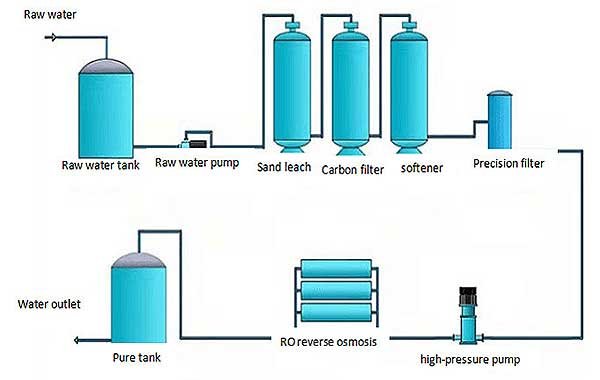
Water treatment works best when it’s designed around the needs of the property. A small office with a modest daily demand may need a relatively straightforward filtration setup. A hotel or industrial facility could require several treatment stages, larger equipment, and closer performance monitoring.
Sediment filters can capture suspended particles before they enter sensitive equipment. Activated carbon systems can reduce certain tastes, odours, and chemicals, depending on the media and operating conditions. Water softeners address hardness minerals, while reverse osmosis systems reduce many dissolved substances when properly selected and maintained.
Ultraviolet treatment may be appropriate for controlling microorganisms in certain applications, but it doesn’t remove dissolved minerals or particles. Water also needs to meet the system’s operating requirements for UV treatment to work effectively.
This is why a one-size-fits-all approach often disappoints. Before installing equipment, consider peak water demand, available space, drainage, pressure requirements, ongoing consumable costs, and the level of technical support available. A properly sized system is more likely to deliver dependable results without creating unnecessary operating expenses.
Dealing With Scale, Sediment, and Other Contaminants
Once a treatment system is installed, the work isn’t finished. Filters gradually collect particles, softening resin can require servicing, and membranes may lose performance as they age or become fouled. The maintenance needed depends on the incoming water, system design, and amount of water treated.
A planned approach to removing scale buildup and contaminants can help protect equipment and maintain suitable water quality. However, the method must match the problem. Mineral deposits may require a manufacturer-approved descaling procedure, while sediment may call for filter replacement or improved pretreatment. Specific chemical contaminants require treatment methods selected for those substances.
Businesses should avoid using strong cleaning chemicals or improvised descaling mixtures without checking equipment instructions. The wrong product can damage seals, corrode metal surfaces, or leave residues that affect subsequent operation. For boilers, cooling systems, food preparation equipment, and other specialised applications, professional advice may be especially important.
It’s equally important to know what a treatment system cannot do. No single filter removes every possible contaminant under all conditions. If testing identifies a particular concern, confirm that the chosen equipment is certified or otherwise validated for the intended reduction claim, where applicable.
Maintenance That Prevents Unnecessary Downtime
A treatment system can be working normally one day and struggling the next, especially when components are nearing the end of their service life. Regular inspections help spot changes before they interrupt business activities.
A practical maintenance schedule may include checking pressure readings, inspecting visible connections, replacing cartridges, reviewing softener salt levels, and examining pumps or control valves. More advanced systems may also need membrane performance checks, sanitisation, calibration, or laboratory testing.
Keep a written record of maintenance dates, parts used, test results, and recurring faults. It doesn’t need to be complicated. Even a basic spreadsheet can help facility managers identify patterns, plan budgets, and avoid missing important replacement intervals.
Staff observations are valuable too. A change in water taste, unusual odour, lower flow, repeated alarms, or visible deposits may indicate a developing issue. These signs don’t always point to the same cause, so they should prompt an investigation rather than an immediate assumption.
When a problem involves pressurised equipment, electrical components, or complex plumbing, bring in a qualified technician instead of attempting an unfamiliar repair. A quick fix that damages the system can end up costing far more than a proper diagnosis.
Meeting Industry and Safety Requirements
Businesses must consider more than equipment performance when managing water. Depending on their location and industry, they may be subject to drinking-water standards, food hygiene rules, workplace safety requirements, environmental regulations, or specific process-water specifications.
Maintaining regulatory compliance means understanding which requirements apply to the property and keeping appropriate evidence that the system is being managed correctly. This may involve documented water testing, maintenance records, treatment logs, or periodic inspections. Requirements vary, so businesses should consult the relevant local authorities and qualified professionals rather than relying on a generic checklist.
Restaurants and hospitality facilities, for example, need to pay particular attention to water used for food preparation, cleaning, and guest services. Industrial operations may face additional requirements related to discharge, cooling systems, or water used in manufacturing.
Clear records make these responsibilities easier to manage. They also provide useful information when a system is upgraded, a problem occurs, or an inspection raises questions about treatment performance.
Looking Beyond the Initial Installation Cost
When comparing treatment systems, the purchase price is only one part of the calculation. Installation, energy use, water consumption, replacement filters, salt, servicing, and potential downtime all contribute to the total cost of ownership.
A cheaper system may be perfectly suitable for a small application, but it could be an expensive choice for a facility with heavy demand. Likewise, installing unnecessarily complex equipment can increase costs without delivering meaningful benefits.
Ask suppliers about expected operating costs, maintenance intervals, spare-part availability, and the evidence supporting their performance claims. A clear proposal should explain why the equipment is appropriate for the water conditions and the intended application.
A Smarter Way to Manage Commercial Water
Reliable water management starts with a simple principle: understand the water before deciding how to treat it. Testing, suitable equipment, planned maintenance, and accurate records all contribute to a system that performs more consistently.
No business can eliminate every possible water-related problem, but it can reduce uncertainty by paying attention to the basics. When water quality is treated as an essential part of facility management rather than an afterthought, equipment is easier to protect, operating issues are easier to investigate, and staff can focus on their actual work.
In the long run, good water management isn’t about installing the biggest system or making the most ambitious claims. It’s about choosing what fits, maintaining it properly, and making sure the water remains suitable for the job it needs to do.