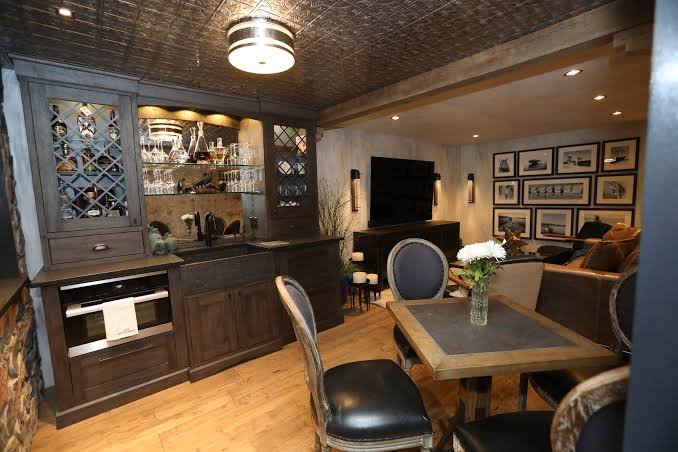
A home doesn’t become special simply because the furniture is expensive or every room follows the latest trend. Often, it’s the little things that make the biggest difference: the way morning light falls across the kitchen floor, a comfortable corner where you can read without interruption, or a living room that feels welcoming even when the house is a little messy. Good interior design understands that a home is meant to be lived in, not just admired.
That’s why planning a home’s interior deserves more thought than choosing a paint colour or buying a new sofa. The best spaces reflect the people who use them. They support everyday routines, leave room for changing needs, and feel connected without making every room look exactly the same.
Begin With the Way You Live
Before looking at colour palettes, flooring samples, or furniture catalogues, take a moment to consider how your home actually works. Where does everyone gather? Which areas feel cramped? Is there a room that looks attractive but rarely gets used? These questions may seem ordinary, but they can reveal more than a stack of design inspiration images.
A family with young children may need durable finishes, easy-to-clean surfaces, and storage that makes tidying up less of a battle. Someone who works from home might value a quiet office with good lighting, while people who love entertaining may want an open dining area and comfortable seating for guests.
The location and character of the property matter, too. A home in Walter’s Port might call for a different approach depending on its architecture, natural surroundings, and the lifestyle of its residents. Rather than applying a standard design formula, it helps to consider how the home relates to its setting and what will make it comfortable throughout the year.
Let the Architecture Guide Your Choices
Every home has its own character, even if it isn’t immediately obvious. It might have high ceilings, unusually shaped windows, original timber details, or a layout that reflects the period in which it was built. These features can become the starting point for a thoughtful design instead of obstacles to work around.
Look carefully at the proportions of each room. Large furniture can overwhelm a small space, while delicate pieces may feel lost in a generous room. Window placement affects where furniture works best, and natural light can change how a paint colour looks from morning to evening.
It’s worth paying attention to what should remain, too. Sometimes restoring an original floor or keeping an interesting architectural detail gives a room more personality than adding several decorative features. Not every surface needs to make a statement. A little restraint can help the best parts of a home stand out.
Build a Colour Palette That Feels Natural
Colour has a remarkable effect on how a room feels. Soft neutrals can create a calm backdrop, while deeper shades bring warmth and a sense of intimacy. Neither approach is automatically better; the right choice depends on the room, the available light, and the atmosphere you want to create.
Rather than choosing every colour separately, think about how rooms connect. A consistent base palette can make a home feel cohesive, while smaller changes in accent colours, textures, and materials give each space its own identity. You might use warm whites and natural wood throughout, then introduce muted green in a study or a deeper blue in the dining room.
Always test paint samples before committing. Colours can look quite different on a large wall than they do on a small sample card, and artificial lighting can change them again at night. Live with a few options for several days if possible. It’s a small step that can save you from repainting an entire room.
Make Every Room Earn Its Place
A beautiful room should also work well. This is where room-by-room transformations can be especially useful. Instead of trying to renovate the entire property at once, focus on one space, identify its biggest problems, and make changes that improve both appearance and function.
In a living room, that might mean rearranging the seating so conversation feels easier, improving the lighting, or adding storage for books and everyday clutter. In a kitchen, the most valuable change may be better task lighting, more accessible drawers, or a layout that reduces unnecessary steps while cooking.
Bedrooms often benefit from a calmer palette and fewer distractions. Layered lighting, comfortable bedding, and practical bedside storage can make the room feel more restful without requiring a complete renovation. Bathrooms, meanwhile, need a balance of appearance and practicality, with appropriate ventilation, slip-resistant flooring, and materials that can handle moisture.
Work through each room with a clear purpose. If you can explain what a proposed change will improve, it’s easier to decide whether it deserves your budget.
Use Materials and Texture to Add Warmth
A room can have lovely colours and still feel flat if every surface looks the same. Texture adds depth without requiring a dramatic pattern or bold decoration. Linen curtains, wool rugs, timber furniture, ceramic accessories, and softly finished walls each bring a different quality to a space.
Mixing materials can make a home feel more personal, but balance matters. Too many competing finishes can make a room feel busy, while repeating a few materials across different areas helps everything feel connected. For example, timber details might appear in the kitchen, living room, and hallway without making those spaces identical.
Practicality should remain part of the decision. A delicate fabric may be lovely in a formal sitting room but frustrating in a busy family space. Think about cleaning, wear, sunlight, and how often a material will be touched. The most successful choice is one that looks good and suits the way you live.
Plan Storage Before Clutter Takes Over
Storage is rarely the most exciting part of interior design, yet it can determine whether a home feels calm or constantly untidy. Shoes by the door, chargers on the kitchen counter, and piles of paperwork tend to accumulate when everyday objects have nowhere sensible to go.
Built-in cupboards can make use of awkward corners, while benches with concealed storage offer a place to sit and put things away. Open shelving can display favourite objects, but it works best when there is enough space to keep it from becoming crowded. In smaller homes, furniture that serves more than one purpose may be particularly helpful.
The goal isn’t to hide everything. Personal belongings give a home its character. It’s simply easier to enjoy the objects you love when they aren’t competing with things you rarely use.
Choose a Design Partner Who Listens
For a larger project, professional guidance can help bring scattered ideas into a workable plan. A designer should take time to understand your priorities, explain the practical implications of different choices, and be honest about what your budget can achieve.
A property in Fieldstone Place, for instance, should be approached according to its own layout, architectural details, and the needs of the people living there—not treated as a copy of another project. Good design begins with listening and careful observation. It also involves discussing timelines, materials, costs, and the decisions that may affect the project later.
Before work starts, make sure the scope is clear. Ask which services are included, how changes will be handled, and who will coordinate contractors where necessary. Clear communication may not be the most glamorous part of a renovation, but it can make the experience far less stressful.
Create a Home That Can Grow With You
Trends come and go. Your needs may change as children grow, work patterns shift, or family life takes a different direction. A flexible interior makes those changes easier to manage. Neutral foundations, adaptable furniture, and well-planned lighting can provide room for new interests without requiring another major renovation.
Most importantly, leave space for the things that make the home yours. A favourite painting, a collection gathered during travel, or a well-worn armchair may not fit a perfectly coordinated showroom look, but it can bring far more meaning to a room.
A thoughtful home doesn’t need to be finished all at once. Start with the changes that matter most, make decisions with care, and let each space develop naturally. When design reflects real life rather than a passing trend, the result is more than a polished interior. It’s a place where ordinary days feel a little easier—and where you’re genuinely glad to return.