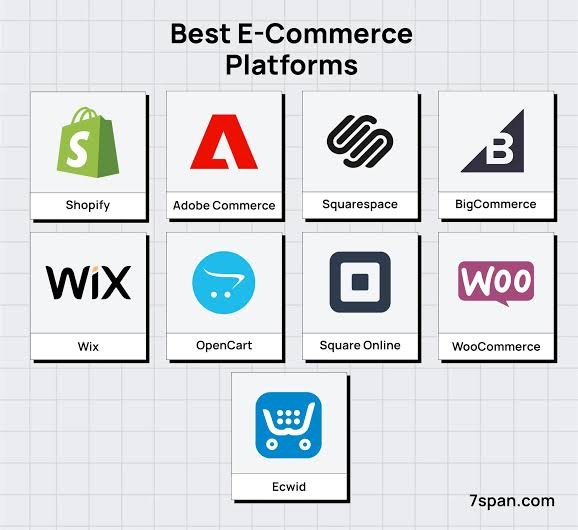
Picking the wrong platform early on can cost you months of rework later. I’ve seen sellers migrate from one platform to another simply because they picked based on what a friend used, not what actually fit their business model. Comparing the best ecommerce platforms properly before committing saves that headache entirely.
Let’s go through the realistic options for small sellers specifically.
Shopify: Best for Long-Term Brand Building
Quick answer: Among the best ecommerce platforms for sellers wanting full control over branding and customer data, Shopify stands out for its ease of use, extensive app ecosystem, and scalability as the business grows.
The monthly subscription cost is a real consideration for very early-stage sellers, but the ease of setup and professional appearance often justify it once sales pick up.
WooCommerce: Best for WordPress Users on a Tight Budget
If you’re already comfortable with WordPress or have a developer who is, WooCommerce offers similar functionality to Shopify at a lower ongoing cost, though it requires more technical setup and maintenance.
- Free core plugin, though hosting and extensions add cost
- Highly customizable for specific business needs
- Steeper learning curve than Shopify for non-technical users
Amazon and Flipkart: Best for Instant Traffic Access
Quick answer: Marketplaces like Amazon and Flipkart provide immediate access to millions of existing shoppers, making them ideal for sellers wanting quick sales without building their own audience from scratch first.
The tradeoff is intense competition, commission fees eating into margins, and limited control over branding and customer relationships.
Meesho: Best for Reseller and Social Commerce Models
Particularly popular among small sellers targeting price-sensitive customers through social selling via resellers on WhatsApp and Instagram. Lower barrier to entry, though margins tend to be tighter here too.
Wix eCommerce: Best for Simplicity-First Beginners
For sellers who want the absolute simplest setup with drag-and-drop design and minimal technical knowledge required, Wix offers a genuinely beginner-friendly experience, though it’s less scalable for larger catalogs long-term.
Instagram and WhatsApp Business: Best for Zero Setup Cost
Not a traditional platform, but genuinely functional for very early-stage sellers. Product catalogs on Instagram Shopping and WhatsApp Business Catalog let sellers list products with zero platform fees.
[link to related guide about how to start an ecommerce business here]
Comparing Costs Realistically
Quick answer: Marketplace platforms typically charge 5-20% commission per sale with no upfront cost, while Shopify and WooCommerce involve fixed monthly or hosting costs but no per-sale commission, making the better choice dependent on expected sales volume.
Which Platform Fits Your Stage?
- Just testing an idea: Instagram/WhatsApp Business Catalog
- Ready for real sales with low setup cost: Meesho or marketplaces
- Building a long-term brand: Shopify
- Technical comfort and budget-conscious: WooCommerce
FAQ
Which ecommerce platform is cheapest to start with? Instagram and WhatsApp Business catalogs are essentially free to start, followed by Meesho for reseller-style selling.
Is Shopify worth the monthly cost for a small seller? If you’re serious about building a long-term brand with your own customer data, yes; for casual or testing-phase selling, it may be premature.
Can I sell on multiple platforms simultaneously? Yes, and many successful sellers do exactly this, using marketplaces for volume and their own website for brand-building and better margins.
Do marketplaces take a large cut of sales? Commission typically ranges from 5-20% depending on the category and platform, plus additional fees for logistics and payment processing in some cases.
Which platform is best for handmade or craft products specifically? Instagram Shopping combined with a simple Shopify or Etsy-style storefront tends to work particularly well for handmade and craft product sellers.
Conclusion
There’s no single winner among the best ecommerce platforms — the right choice depends on your budget, technical comfort, and whether you’re testing an idea or building a long-term brand. Match your current stage to the right platform from this list before investing further time or money into setup.