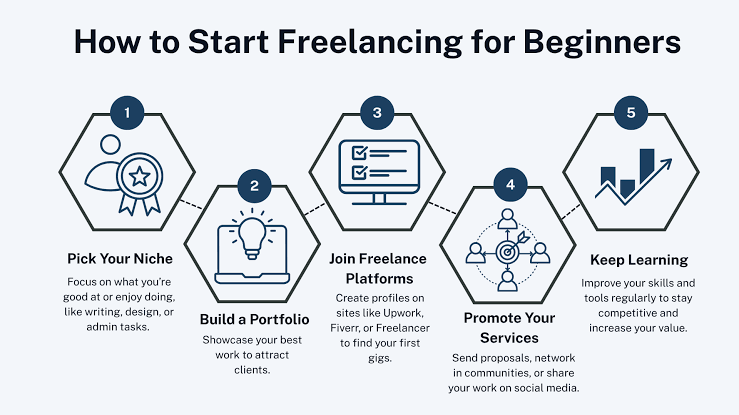
Ask ten freelancers which platform is best, and you’ll probably get ten different answers, mostly based on their own niche and experience. That’s honestly the right way to think about it too — there’s no single winner among the best freelancing websites, only the ones that fit your specific skill set and goals best.
Let’s break down the realistic options.
Upwork: Best for Long-Term Client Relationships
Quick answer: Among the best freelancing websites for building ongoing, higher-value client relationships, Upwork stands out due to its structured proposal system and long-term contract options that many other platforms lack.
The proposal system requires connects (credits), which can feel restrictive initially, but the platform rewards freelancers who build strong, detailed profiles and consistent five-star reviews over time.
Fiverr: Best for Productized, Fixed-Price Services
Fiverr works well if your service can be packaged into clear, fixed-price offerings — logo design, short video editing, simple writing gigs. Less suited for complex, custom, ongoing project work.
- Easy for beginners to get discovered through gig listings
- Works best with clear, specific service packages
- Competitive pricing pressure in saturated categories
Freelancer.com: Best for Broad Project Variety
Offers a wide range of project types across nearly every skill category, though competition can be intense, especially for lower-budget projects with many bidders.
Toptal: Best for Highly Experienced Professionals
Quick answer: Toptal targets the top tier of freelance talent through a rigorous screening process, making it best suited for highly experienced professionals seeking premium clients rather than beginners building initial experience.
Not ideal for beginners due to the strict vetting process, but genuinely excellent for experienced freelancers wanting higher-paying, serious clients.
PeoplePerHour: Best for UK and Europe-Focused Clients
Particularly strong if you’re targeting clients in the UK and broader European market, with a slightly different client base compared to the more US-heavy Upwork.
LinkedIn: Underrated for Direct Freelance Outreach
Not a traditional freelancing platform, but increasingly effective for direct outreach and building a professional reputation that attracts inbound freelance inquiries organically over time.
[link to related guide about how to find freelance clients here]
Niche-Specific Platforms Worth Considering
- Contently and ClearVoice for professional content writers
- 99designs specifically for design and branding projects
- Behance for portfolio-driven creative work and inbound inquiries
Choosing the Right Platform for Your Skill
Quick answer: The best freelancing website for you depends primarily on your skill category and experience level — beginners often find more traction on Fiverr’s gig model, while experienced professionals benefit more from Upwork’s proposal-based, longer-term contracts.
FAQ
Which freelancing website is best for complete beginners? Fiverr’s gig-based model tends to be more beginner-friendly since it doesn’t require winning competitive proposals against experienced freelancers upfront.
Do these platforms take a commission from earnings? Yes, most charge a service fee ranging from 5-20% depending on the platform and sometimes decreasing as your lifetime earnings with a specific client grow.
Is it possible to make a full-time income through freelancing websites alone? Yes, many freelancers build full-time incomes through these platforms, though it often takes 6-12 months of consistent effort to build a stable client base.
Should I join multiple freelancing websites simultaneously? It’s common early on to test multiple platforms, then focus effort on whichever generates the most consistent, quality leads for your specific skill.
How important are reviews and ratings on these platforms? Extremely important — most clients filter heavily by rating and review count, making your first few projects crucial for building credibility.
Conclusion
There’s no universally “best” platform among the best freelancing websites — the right fit depends on your skill, experience level, and target client base. Pick one platform matching your current stage this week, build out a strong profile, and commit to it consistently for at least a few months before judging results.