Everyone seems to be selling something online these days, and honestly, that’s both encouraging and a little intimidating if you’re just getting started. But knowing how to start an ecommerce business properly isn’t as complicated as the sheer number of options out there makes it feel. Let’s break it into the actual steps that matter.
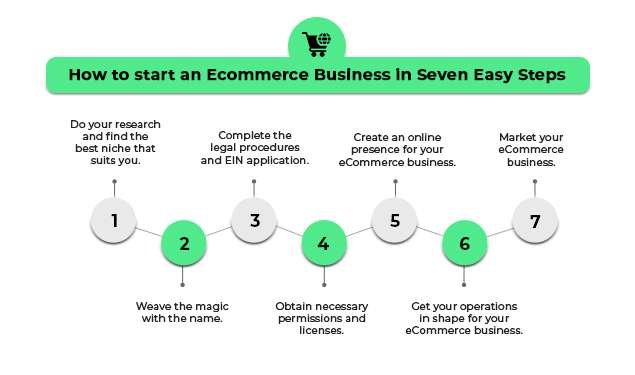
Step 1: Pick a Niche You Can Actually Explain in One Sentence
If you can’t describe who you’re selling to and why they’d choose you in a single sentence, the niche is probably too broad.
Quick answer: Learning how to start an ecommerce business begins with choosing a specific, well-defined niche rather than a broad category, since narrow niches face less competition and allow more focused marketing messaging.
Step 2: Validate Demand Before Building Anything
Check search volume for your product category, look at existing sellers’ review counts, and consider running a small pre-order campaign before investing in inventory.
- Search Google Trends for your product category
- Check competitor listings for review volume and ratings
- Run a small test ad campaign linking to a simple landing page
Step 3: Choose the Right Platform for Your Stage
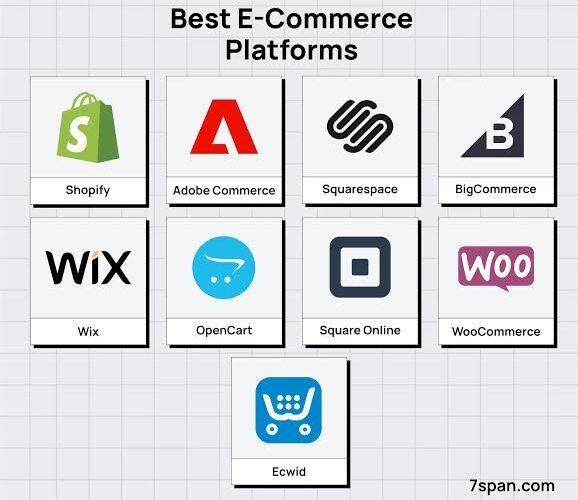
Shopify works well for businesses wanting full control and scalability. WooCommerce suits those already comfortable with WordPress. Marketplaces like Amazon and Flipkart offer instant access to existing traffic, though with more competition and lower margins.
Quick answer: Beginners with limited technical skill often start on marketplaces for quick traffic access, while businesses building a long-term brand typically invest in their own Shopify or WooCommerce store for better margins and customer ownership.
Step 4: Sort Out Legal and Tax Basics Early
GST registration, business registration, and a proper current account matter more than people initially think, especially once you start dealing with marketplace payouts and supplier invoices.
[link to related guide about legal documents for new business here]
Step 5: Set Up Reliable Logistics
Late or damaged deliveries kill repeat business faster than almost anything else. Partner with reliable courier services, and factor shipping costs realistically into your pricing from day one rather than absorbing losses later.
Step 6: Invest in Product Photography Early
Customers can’t touch or try your product online — photos carry the entire weight of that first impression. Even a smartphone with good natural lighting can produce decent results if you’re not ready to hire a professional photographer yet.
Step 7: Build Trust Signals Into Your Store
- Clear return and refund policy visible upfront
- Genuine customer reviews, even if early ones are few
- Secure payment options prominently displayed
- Responsive customer support, even if it’s just WhatsApp initially
Step 8: Launch Small, Then Scale Based on Real Data
Quick answer: The smartest launch approach limits initial inventory or ad spend to a small test batch, allowing real customer data to guide bigger investment decisions rather than guessing demand upfront.
A home decor seller I know launched with just 20 units of her signature product, sold out within two weeks, and used that real demand data to justify a much bigger second production run with confidence.
FAQ
How much money do I need to start an ecommerce business in India? It ranges from ₹10,000-15,000 for a lean dropshipping-style setup to several lakhs for inventory-heavy models, depending on your product category.
Should I start on a marketplace or my own website? Marketplaces offer faster initial traffic; your own website offers better margins and brand control long-term. Many successful sellers eventually use both.
How long does it take to get the first sale in ecommerce? This varies widely, but with proper validation and some paid traffic, many sellers see their first sale within 2-4 weeks of launch.
Do I need GST registration to sell online? Yes, most marketplaces require GST registration regardless of your turnover, unlike offline businesses which have a threshold exemption.
What’s the biggest mistake first-time ecommerce sellers make? Investing heavily in inventory before validating actual demand, leading to unsold stock and tied-up capital.
Conclusion
Knowing how to start an ecommerce business the right way means validating demand, choosing the right platform, and launching small before scaling based on real customer data. Pick your niche this week and run a small validation test before committing to any inventory purchase.