A lot of businesses generate decent traffic and inquiries, yet somehow very few of them actually convert into paying customers. Almost every time I’ve dug into why, the answer traces back to a poorly structured sales funnel — leads falling through gaps nobody’s tracking properly.
Let’s build one that actually holds up, stage by stage.
Understand the Four Core Stages
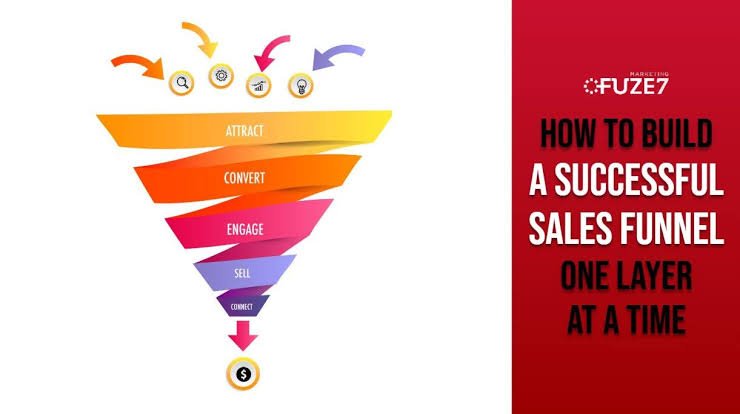
Quick answer: A basic sales funnel moves prospects through four stages — awareness, interest, decision, and action — and each stage needs its own specific content and messaging rather than a single generic pitch repeated throughout.
Most businesses fail by using the same messaging at every stage, which confuses buyers who are at different points in their decision process.
Stage 1: Awareness — Attract the Right People
This is where content marketing, ads, and social media do their job. The goal isn’t selling yet — it’s getting the right audience to notice you exist and have a problem worth solving.
- SEO-optimized blog content addressing common problems
- Social media presence showing expertise, not just promotions
- Paid ads targeting specific pain points, not generic branding
Stage 2: Interest — Nurture, Don’t Pitch Yet
Once someone shows interest — downloading a guide, signing up for a newsletter — resist pitching immediately. Nurture with genuinely useful content that builds trust over a few touchpoints.
Stage 3: Decision — Make the Comparison Easy
Quick answer: At the decision stage of a sales funnel, prospects are comparing options, so clear case studies, testimonials, and direct comparisons against competitors matter far more than generic marketing copy at this point.
This is where a strong sales call, detailed case study, or comparison page genuinely earns its place.
Stage 4: Action — Remove Every Friction Point
Even convinced buyers drop off if the checkout or signup process is clunky. Simplify forms, offer multiple payment options, and follow up immediately if someone abandons the process midway.
Map Content to Each Funnel Stage
- Awareness: blog posts, social content, SEO pages
- Interest: email nurture sequences, webinars, guides
- Decision: case studies, testimonials, comparison pages
- Action: clear CTAs, simple checkout, limited-time offers where genuine
Track Conversion Rates Between Stages, Not Just Overall
Most businesses only track total conversions, missing where exactly prospects drop off. Tracking stage-by-stage conversion reveals precisely which part of the sales funnel needs fixing.
A retail brand I worked with discovered 70% of drop-off happened specifically between the interest and decision stages — turned out their case studies were buried on a page nobody visited. Fixing that one issue lifted overall conversion by nearly 18%.
[link to related guide about sales techniques here]
Automate Where It Makes Sense, But Keep the Human Touch for High-Value Deals
Email sequences and retargeting ads can run largely on autopilot for lower-value leads. But for higher-ticket deals, a real human conversation at the decision stage still consistently outperforms fully automated funnels.
FAQ
How long should a sales funnel take from awareness to conversion? It varies hugely by industry and price point — anywhere from a single day for low-cost impulse purchases to several months for enterprise B2B deals.
Do small businesses really need a formal sales funnel? Yes, even informally. Understanding which stage prospects are stuck at helps focus marketing effort where it matters most.
What’s the biggest mistake businesses make with their sales funnel? Using identical messaging across every stage instead of tailoring content to where the prospect actually is in their decision journey.
Can a sales funnel be fully automated? Partially, especially for lower-ticket products. Higher-value sales usually still benefit from human interaction at the decision stage.
How do I know which funnel stage is losing the most prospects? Track conversion rates between each individual stage, not just the overall lead-to-customer rate, to pinpoint exactly where drop-off happens.
Conclusion
A well-built sales funnel guides prospects naturally from first awareness through to a confident purchase decision, stage by stage. Map out your current funnel this week, track conversions between each stage honestly, and fix the single biggest leak you find first.