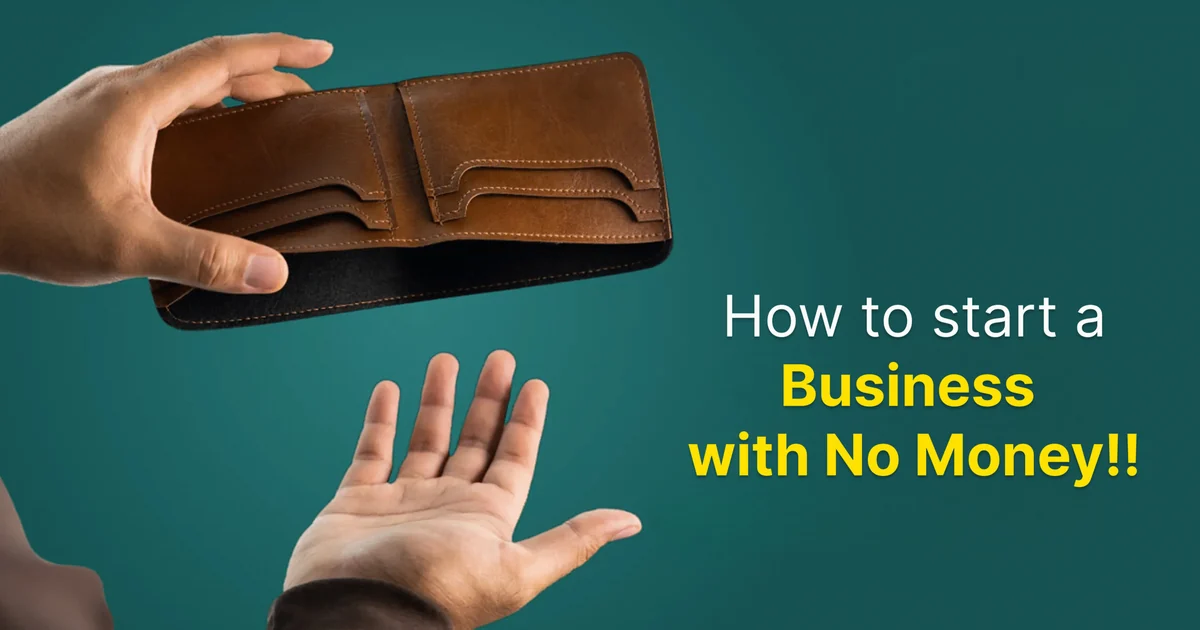
So you want to start something of your own, but there’s a small problem — you don’t have the capital. You’re not alone. Every second person I talk to at networking meetups in Jaipur says the same thing: “Bhai, idea toh hai, paisa nahi hai.” The good news? Knowing how to start a business with no money isn’t some secret formula reserved for lucky people. It’s mostly about sequencing — doing the free stuff first, and the expensive stuff later, if at all.
I’ve helped a few friends set up small ventures over the years, and honestly, the ones who succeeded weren’t the ones with the biggest budgets. They were the ones who started messy and fixed things as they went.
Start With a Skill, Not a Product
How to start a business with no money almost always begins with selling your time or knowledge before you sell a physical product. Writing, design, tutoring, bookkeeping — these need a laptop and an internet connection, not inventory.
Pick something you’re already decent at. Don’t wait to become “expert level.” Your first client doesn’t need perfection; they need someone who shows up.
Use Free Tools Before Paid Ones
There’s a strange pressure to buy premium software on day one. Resist it.
- Canva’s free plan covers 90% of basic design needs
- Google Workspace gives you email, docs, and sheets for free
- WhatsApp Business works fine as a mini CRM in the early days
- Instagram and Facebook pages cost nothing to set up
Quick answer: You can start a business with no money by using free tools like Canva, Google Workspace, and social media pages instead of paid software, and by selling a skill or service before investing in products or inventory.
Borrow Credibility Instead of Buying It
You don’t need a fancy office to look legitimate. Get listed on Google Business Profile — it’s free and takes 15 minutes. Ask your first three customers for reviews, even if you gave them a discount to get started. Reviews build trust faster than a logo ever will.
Pre-Sell Before You Build
This one’s underused. If you’re planning a product-based business, tell 10 people about it before it exists. Take a small advance payment. Use that money to actually make the thing.
A friend of mine did this with handmade candles — she took orders on Instagram DMs for two weeks before buying a single wax block. The pre-orders funded the raw material.
Trade Services Instead of Paying Cash
Barter still works. A photographer friend traded a product shoot for three months of social media management from a marketing student. Neither spent a rupee.
Keep Overheads at Zero for as Long as Possible
- Work from home, not a rented office
- Skip business cards, use a WhatsApp Business link instead
- Avoid hiring until revenue actually demands it
- Use your own vehicle instead of renting delivery services early on
Quick answer: The fastest way to keep a bootstrapped business alive is to delay every avoidable expense — no office, no staff, no paid ads — until sales prove the idea works.
Apply for Government Schemes and Microgrants
India actually has decent options here — Mudra loans, Stand-Up India, and state-level startup schemes offer low or zero-collateral funding for small entrepreneurs. It’s slow paperwork, not going to lie, but it’s real money you don’t have to give up equity for.
[link to related guide about small business loans here]
Reinvest Every Rupee Back In
This part is boring but it’s the actual secret. Don’t take a “founder salary” for the first few months if you can avoid it. Every rupee earned should go back into stock, ads, or tools — whichever moves the needle fastest.
FAQ
Can I really start a business with zero investment? Yes, especially service-based businesses like freelancing, consulting, or tutoring. Product businesses are harder but still possible through pre-orders and dropshipping models.
What’s the safest business to start with no money? Freelance services — writing, design, social media management — are the safest since there’s no inventory risk.
Do I need to register my business immediately? Not on day one. Test the idea first, get a few paying customers, then register once there’s actual revenue to protect.
Is dropshipping a good no-money option in 2026? It’s low-cost, not free — you’ll still need a small ad budget eventually. But it avoids upfront inventory costs.
Can students start a business with no money? Absolutely. Many successful founders started as college side-hustles using skills they already had.
Conclusion
Starting with empty pockets isn’t a disadvantage — it forces discipline most funded startups never learn. Focus on skills, free tools, and pre-selling before you spend a single rupee on anything fancy. Pick one idea from this list and take the first step this week — not next month, this week.