Most people don’t think much about their water treatment system once it’s installed. The water tastes better, mineral deposits become less noticeable, and everyday chores seem a little easier. After a while, the equipment becomes part of the house, much like the water heater or washing machine. It’s easy to forget it’s even there.
Then, one morning, the shower feels different. White marks begin appearing on the taps again, or the drinking water develops an unfamiliar taste. Suddenly, that quiet piece of equipment needs attention.
The truth is that water treatment systems need regular care to perform as intended. Filters become exhausted, softeners need routine checks, and internal components can wear down over time. Fortunately, maintenance doesn’t have to be complicated. A few sensible habits and timely professional inspections can help prevent small issues from becoming expensive headaches.
Why Routine Maintenance Shouldn’t Be Overlooked
Water treatment equipment works by removing, reducing, or managing particular substances in the water. The method depends on the system. A softener uses an ion-exchange process to address hardness minerals, while a drinking-water filter may use activated carbon or a membrane to reduce selected contaminants.
These processes have limits. Filter media can become exhausted, membranes can accumulate deposits, and mechanical parts may eventually need adjustment or replacement. If maintenance is neglected, the system might deliver less effective treatment even when the water still looks perfectly clear.
That last point is important. Appearance, taste, and smell can offer useful clues, but they don’t reliably establish whether treated water is safe. Some contaminants have no obvious sensory signs. Following the manufacturer’s maintenance schedule is therefore more dependable than waiting until something seems wrong.
Regular care also helps you understand how the equipment is performing. When you keep basic service records and replace consumable parts on time, it’s easier to identify unusual changes and explain them to a technician if something goes awry.
Water Softeners Need More Than an Occasional Top-Up
Hard water can leave scale inside kettles, showerheads, pipes, and hot-water appliances. A conventional salt-based softener reduces calcium and magnesium through ion exchange, helping prevent much of that buildup. But the system needs attention to keep doing its job.
Routine softener repair and inspections can help identify problems such as a malfunctioning control valve, incorrect regeneration settings, salt bridging, or worn components. Not every performance issue means a major repair is needed. Sometimes the cause is relatively simple, though diagnosing it correctly matters.
Homeowners can handle a few basic checks themselves. Keep an eye on the salt level and follow the manufacturer’s instructions for replenishment. If the brine tank contains a hard crust of salt with an empty space underneath, a salt bridge may have formed, preventing proper contact with the water below. Don’t attack it with sharp tools or forceful methods that could damage the tank.
Also pay attention to changes around the house. If soap becomes harder to rinse away or mineral deposits start returning, the softener may not be regenerating correctly. These signs don’t prove that the equipment has failed, but they justify checking its settings and arranging service when necessary.
A professional inspection can also help ensure the unit is sized and programmed appropriately for household demand and measured water hardness.
Reverse Osmosis Systems Require Consistent Care
Reverse osmosis, often shortened to RO, is a popular option for drinking water. These systems use a semipermeable membrane to reduce many dissolved substances, with performance depending on the particular model and its certification. Most under-sink units also contain prefilters and may include a post-filter or other treatment stages.
Each component has a role, and maintenance schedules can differ. Sediment and carbon prefilters generally need replacement more frequently than the RO membrane. The membrane’s lifespan depends on incoming water quality, water use, operating conditions, and the manufacturer’s guidance.
Timely filter changes and sanitation for ro systems help maintain performance and reduce the risk of hygiene problems within the equipment. Follow the manufacturer’s specified replacement intervals rather than relying on a universal timetable. If the water supply contains substantial sediment or the household uses a lot of drinking water, components may need attention sooner.
Sanitation matters, too, particularly during scheduled servicing, after certain repairs, or when the system has been unused for an extended period. Use the recommended procedure and approved materials. Improvised cleaning chemicals can damage components or leave residues, so this isn’t the place to experiment.
Other warning signs include a noticeable decline in water production, persistent unusual taste, leaks, or a system that drains continuously. These symptoms can have several causes, including low incoming pressure, a blocked filter, a worn membrane, or a tank problem. A technician can narrow down the possibilities rather than replacing parts at random.
Don’t Ignore Changes in Water Quality
One of the biggest mistakes homeowners make is assuming that treated water will remain consistent forever. Water sources can change, plumbing can deteriorate, and treatment components eventually reach their limits. A system that worked well last year may need attention today.
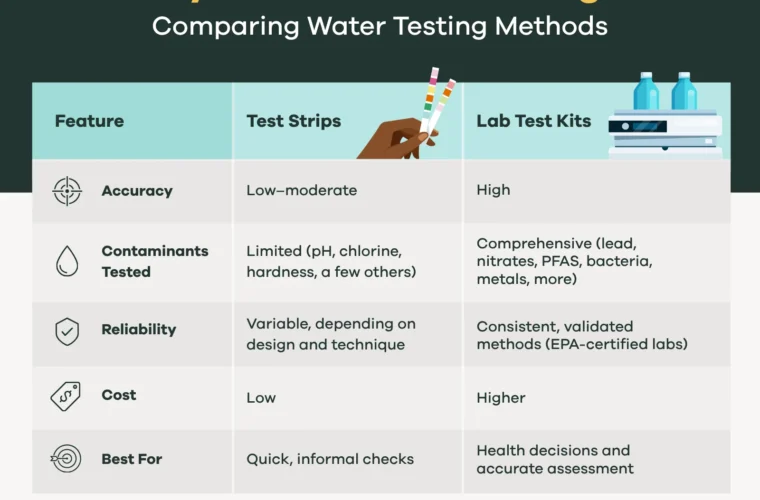
Appropriate water quality re-testing helps confirm whether a treatment system is still meeting its intended purpose, particularly when it is being used to reduce a specific contaminant. The right testing schedule depends on the water source, the contaminant involved, local guidance, and the equipment manufacturer’s recommendations.
For private wells, periodic testing is especially important because conditions can shift with weather, groundwater movement, or nearby land use. If you’re concerned about bacteria, nitrates, lead, or another health-related contaminant, use a suitably accredited laboratory and request the relevant test. A basic hardness test won’t tell you whether these substances are present.
Re-testing can also be useful after repairs, changes to the water supply, or any unexplained change in taste, color, or odor. If contamination is suspected, don’t rely on a household treatment unit alone to determine whether the water is safe. Follow local public-health guidance and use an appropriate alternative water source when advised.
Small Habits That Make Maintenance Easier
You don’t need to become a plumbing expert to take better care of your equipment. A simple routine can prevent forgotten replacements and make problems easier to spot.
- Keep service records. Write down installation dates, filter replacements, repairs, and any water test results.
- Follow the manual. Different systems have different requirements, so avoid applying generic advice to specialized equipment.
- Look for leaks. Check visible hoses, fittings, and the area around tanks occasionally.
- Track unusual changes. Note shifts in taste, water flow, scale buildup, or system alerts.
- Use suitable replacement parts. Confirm that filters and components are compatible with your exact model.
- Arrange professional help when needed. Electrical faults, plumbing modifications, and complex internal repairs are usually best left to qualified technicians.
These habits don’t take much time. In fact, a reminder on your phone or a note inside the utility cupboard may be enough to keep routine tasks on track.
Choosing a Service Provider You Can Trust
When maintenance or repairs are needed, choose a provider who explains the problem clearly and gives you a written estimate before carrying out significant work. Ask what the service includes, which parts may need replacement, and whether the repair comes with a warranty.
Be cautious of anyone who immediately recommends replacing the entire system without checking its condition. Sometimes replacement is sensible, particularly when equipment is old or repair costs are high. But the decision should be based on evidence, not pressure.
It’s also worth asking whether the technician can explain the system’s limitations. A softener doesn’t disinfect unsafe water, and an RO unit isn’t guaranteed to remove every contaminant. Honest service advice recognizes those differences.
A Little Care Goes a Long Way
Water treatment equipment is easy to overlook because its best work often happens quietly. Yet regular maintenance is what helps keep that performance consistent. Replacing consumable parts, checking mechanical components, following sanitation instructions, and arranging suitable testing can all contribute to dependable operation.
The goal isn’t to service everything constantly or spend money unnecessarily. It’s to follow a sensible schedule, notice changes early, and address problems before they become more disruptive.
With a little attention and the right professional support, your water treatment system can remain a useful part of everyday life. And that’s really what good maintenance is about: fewer surprises, better-informed decisions, and greater confidence in the water your household uses every day.