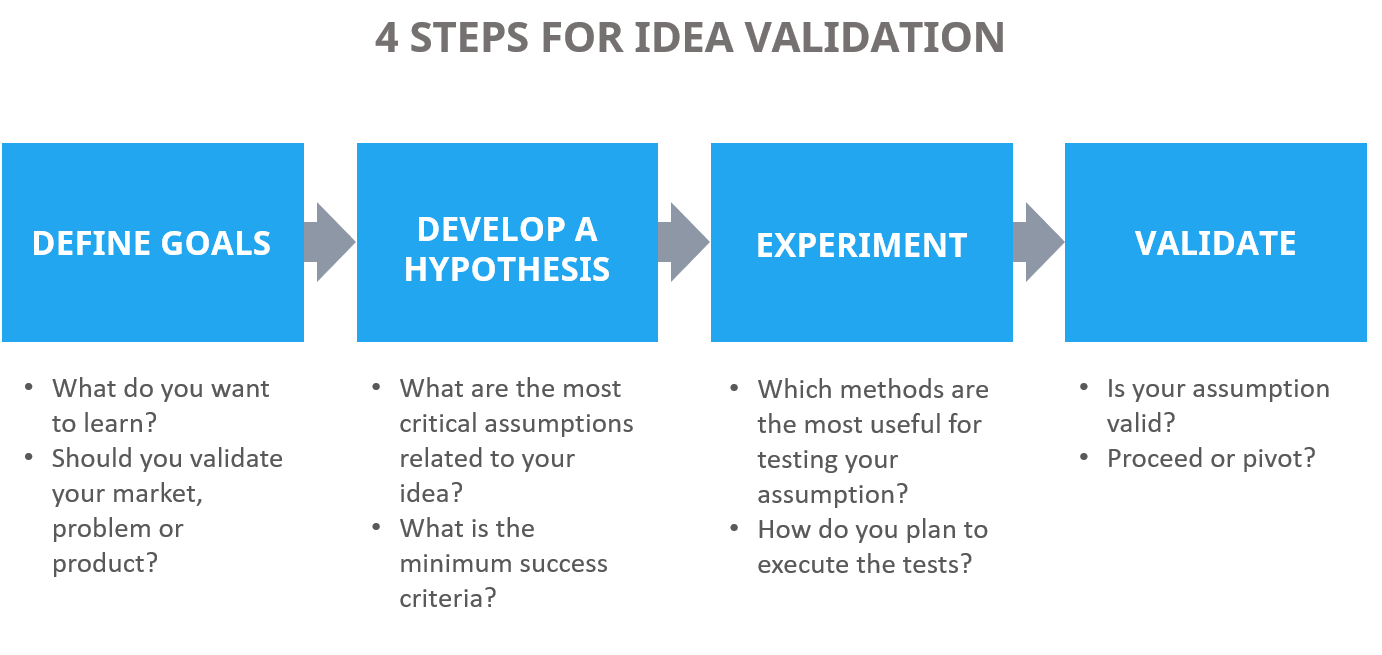
Everyone thinks their idea is the next big thing. I get it — I’ve felt that same rush of excitement about ideas that, looking back, were pretty terrible. That’s exactly why startup idea validation exists as a step, not a suggestion. It’s the difference between spending six months building something nobody wants and spending two weeks finding out if they do.
Here’s the thing nobody tells first-time founders: validation isn’t about asking your friends “accha lagta hai kya?” Friends lie to be nice. You need actual signals.
Talk to Strangers, Not Friends
Your friends and family will almost always say your idea sounds great. That’s not validation, that’s politeness.
Quick answer: Real startup idea validation comes from talking to 15-20 strangers in your target audience, asking about their current problem and habits, not pitching your solution directly.
Ask questions like “how do you currently solve this problem” instead of “would you use my app.” People are bad at predicting future behavior but good at describing current pain.
Build a Landing Page, Not a Product
Before writing a single line of app code, put up a simple landing page describing what you’re building. Add a “Join the waitlist” button. If nobody signs up after some traffic, that’s a signal — a loud one.
A founder I know tested three different startup ideas this way over two months, spending under ₹5,000 total on ads. Only one idea got meaningful signups. Guess which one he built?
Run a “Concierge MVP”
Instead of building software, deliver the service manually first. If you’re building a meal-planning app, manually create meal plans for 10 people using WhatsApp and Excel. See if they’d actually pay for it before automating anything.
- Manually deliver the core value
- Charge a small fee, even symbolic
- Track how many people ask to continue after the trial
Look for Evidence People Already Pay
Quick answer: The strongest validation signal isn’t interest — it’s willingness to pay something today, even a small deposit, for a problem you haven’t fully built a solution for yet.
If competitors already exist and are growing, that’s often a good sign, not a bad one. It means there’s a real market. The real red flag is when nobody’s paying for anything remotely similar.
Study Competitor Reviews for Gaps
Read one-star and two-star reviews of existing competitors. This is a goldmine most founders skip. People complain about exactly what’s missing, and that gap is often your opening.
Set a Validation Budget and Timeline
Give yourself two to four weeks and a small budget — ₹10,000 to ₹20,000 is usually enough for ads, a landing page, and a few paid pilot customers. If it’s not showing signs of traction by then, that’s information too.
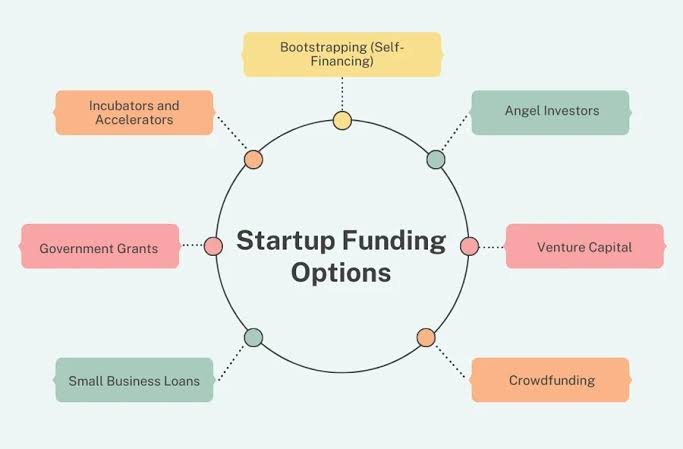
[link to related guide about startup funding options here]
Watch the Metrics That Actually Matter
- Landing page conversion rate (aim for 15%+ signup rate from targeted traffic)
- Number of people who pre-pay or pre-order
- Repeat interest after the first interaction
- Referrals — did anyone tell a friend without being asked?
FAQ
How long should startup idea validation take? Usually two to six weeks. Longer than that and you risk overthinking instead of testing.
Is a survey enough to validate an idea? No. Surveys measure opinions, not behavior. Look for actions — signups, pre-orders, payments.
What if my validation results are mixed? Mixed results usually mean the idea needs repositioning, not abandoning. Try a narrower audience or a different pain point.
Can I validate a B2B idea the same way as B2C? Mostly yes, though B2B validation often needs direct outreach to decision-makers rather than ads.
Do I need money to validate an idea? A small budget helps, but manual concierge testing can be done for free using your own time and network.
Conclusion
Skipping validation is the single most expensive mistake early founders make. Talk to real strangers, build a scrappy landing page, and look for people willing to pay before you write any real code. Pick your top idea and run a two-week validation sprint starting tomorrow.