I’ve met plenty of small business owners who are brilliant at their craft — great cooks, skilled tailors, sharp salespeople — but completely lost when it comes to their own books. And that’s genuinely dangerous, because you can be busy every single day and still not know if you’re actually making money. That’s why understanding basic accounting principles isn’t optional, even if you plan to hire an accountant eventually.
You don’t need a commerce degree for this. Just the core concepts, explained simply.
Revenue Isn’t the Same as Profit
This trips up more people than you’d expect. Revenue is total money coming in. Profit is what’s left after every expense is subtracted.
Quick answer: One of the most misunderstood basic accounting principles is confusing revenue with profit — a business can have high sales and still lose money if expenses eat into margins faster than income grows.
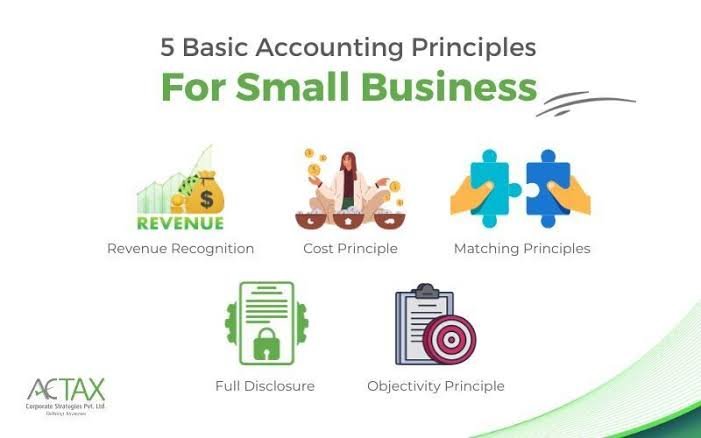
The Matching Principle
Expenses should be recorded in the same period as the revenue they helped generate, not whenever the cash actually leaves your account. If you spend on ads in March that generate sales in April, good bookkeeping matches that cost to the correct period for accurate profit tracking.
Understand the Difference Between Cash and Accrual Accounting
- Cash accounting records transactions only when money physically moves
- Accrual accounting records income and expenses when they’re earned or incurred, regardless of when cash changes hands
Most small businesses start with cash accounting for simplicity, but accrual gives a truer picture once the business grows more complex.
The Balance Sheet Equation
Assets = Liabilities + Equity. This one equation underlies your entire balance sheet. Everything your business owns (assets) is funded either by debt (liabilities) or by the owner’s own investment (equity).
Track Cash Flow Separately From Profit
Quick answer: A profitable business can still run out of cash if customers pay late or inventory ties up funds, which is why tracking cash flow separately from profit is one of the essential basic accounting principles for survival, not just growth.
I’ve seen genuinely profitable businesses struggle badly simply because cash was stuck in unpaid invoices for 60-90 days.
Keep Personal and Business Finances Separate
This sounds obvious, but so many small business owners still mix their personal and business bank accounts. It makes tax filing a nightmare and makes it nearly impossible to know your real business performance.
Understand Depreciation
Big purchases like equipment or vehicles lose value over time, and accounting spreads this cost across the useful life of the asset instead of recording it all at once. This affects both your tax filings and your real profitability picture.
[link to related guide about free accounting software for small business here]
Reconcile Your Books Monthly
- Match bank statements against your recorded transactions
- Catch errors, duplicate entries, or missed payments early
- Monthly reconciliation prevents small mistakes from snowballing into a mess at year-end
FAQ
Do I need to learn accounting if I hire an accountant? Yes, at least the basics. You need to understand your numbers well enough to make decisions and catch errors, even if someone else handles the detailed bookkeeping.
What’s the simplest accounting method for a very small business? Cash-based accounting is usually simplest for very small businesses, since it only tracks money as it actually moves in and out.
How often should I review my financial statements? Monthly at minimum. Weekly cash flow checks are even better for businesses with tight margins.
What’s the biggest accounting mistake small business owners make? Mixing personal and business expenses, which makes accurate profit tracking and tax filing significantly harder.
Is accounting software necessary for a small business? Not mandatory for very early stages, but it becomes essential once transaction volume grows beyond what a simple spreadsheet can handle accurately.
Conclusion
Understanding these basic accounting principles won’t make you a chartered accountant, but it will make you a far more informed business owner who can actually read their own numbers. Start by separating your personal and business finances this week if you haven’t already — it’s the single easiest fix with the biggest impact.